Dumper and Tipper Business in India: The Complete 2026 Business Guide to Starting, Scaling, and Profiting
- Shubhankar Sonawani

- Jun 1
- 5 min read
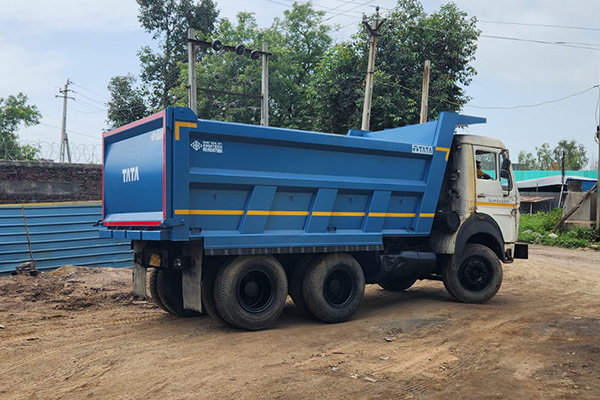
Every road you drive on, every metro project you see, every industrial park being built, and every mining operation running in India has one thing in common:
Dumper and tipper trucks.
While most entrepreneurs chase startups, e-commerce, and digital businesses, thousands of fleet owners across India are quietly generating predictable cash flow through the construction and infrastructure ecosystem.
With India investing heavily in highways, smart cities, industrial corridors, mining projects, renewable energy parks, and urban development, the demand for dumpers and tippers continues to rise.
The best part?
You don't need a large fleet to start.
Many successful operators began with a single vehicle and gradually expanded into fleets of 10, 20, or even 100+ tippers.
In this guide, you'll learn everything about starting a dumper and tipper business in India, including costs, profitability, permits, financing options, risks, and growth strategies.
What is a Dumper and Tipper Business?
A dumper or tipper business involves transporting loose materials such as:
Sand
Soil
Gravel
Stone aggregates
Coal
Iron ore
Construction debris
Fly ash
Cement raw materials
Mining materials
The vehicle uses a hydraulic mechanism that lifts the cargo bed, allowing materials to be unloaded quickly.
These vehicles are essential for:
Road construction projects
Mining operations
Real estate development
Infrastructure projects
Quarry operations
Industrial construction
Government contracts
Without dumpers and tippers, large-scale construction projects would come to a halt.
Why the Dumper and Tipper Industry is Growing in India
India is witnessing one of the biggest infrastructure booms in its history.
Major growth drivers include:
Highway Expansion
Thousands of kilometers of new highways require transportation of:
Soil
Gravel
Concrete materials
Aggregates
Real Estate Development
Residential and commercial projects require constant movement of raw materials.
Mining Industry Growth
India's mining sector depends heavily on dumpers and tippers for daily operations.
Smart City Projects
Urban development creates continuous transportation demand.
Industrial Corridors
Large industrial zones require earth-moving and material transportation.
The result is a steady demand for transport contractors and fleet operators.
Types of Tippers Used in India
1. Light Duty Tippers
Payload Capacity:1–5 tons
Best For:
Municipal work
Small construction projects
City operations
Investment:₹15–25 lakh
2. Medium Duty Tippers
Payload Capacity:6–16 tons
Best For:
Mid-sized infrastructure projects
Material transportation
Investment:₹25–40 lakh
3. Heavy Duty Tippers
Payload Capacity:16–35 tons
Best For:
Mining operations
Highway projects
Quarry transportation
Investment:₹40–70 lakh
4. Mining Dumpers
Payload Capacity:40–100+ tons
Best For:
Large mining projects
Investment:₹1 crore to ₹10 crore+
Generally operated by large contractors and mining companies.
Popular Dumper and Tipper Brands in India
Some of the most trusted manufacturers include:
Tata Motors
Ashok Leyland
BharatBenz
Eicher Trucks
Mahindra Truck and Bus
Popular models include:
Tata Signa Tippers
Tata Prima Tippers
Ashok Leyland 2820
BharatBenz 2823C
Eicher Pro Series
Investment Required to Start a Dumper and Tipper Business
Single Vehicle Business
Expense | Estimated Cost |
New Tipper | ₹35–55 lakh |
Registration | ₹1–2 lakh |
Insurance | ₹60,000–1.5 lakh |
Permits | ₹50,000–1 lakh |
GPS & Tracking | ₹15,000–50,000 |
Working Capital | ₹3–5 lakh |
Total Investment
₹40 lakh to ₹65 lakh
Used Vehicle Model
Many entrepreneurs purchase used tippers.
Investment Range:
₹12 lakh to ₹30 lakh
Advantages:
Lower capital requirement
Faster ROI
Easier financing
Financing Options
Most operators purchase vehicles through financing.
Banks and NBFCs generally fund:
75% to 90% of vehicle value
Typical Down Payment:
10% to 25%
For a ₹45 lakh vehicle:
Down payment: ₹5–10 lakh
Loan amount: ₹35–40 lakh
Licenses and Permits Required
To legally operate, you'll need:
Vehicle Registration
Commercial registration under RTO.
Commercial Insurance
Mandatory for all operations.
Fitness Certificate
Required for commercial vehicles.
Pollution Certificate
Mandatory.
National Permit (if applicable)
Required for interstate operations.
GST Registration
Necessary for larger operations and contractor billing.
Driver Documentation
Heavy vehicle license
Valid identification
Employment records
How the Business Makes Money
There are generally three revenue models.
1. Per Trip Model
Charge per trip completed.
Example:
₹2,500 per trip
10 trips per day
Revenue:₹25,000/day
2. Per Ton Model
Charge according to material quantity.
Common in mining and aggregate transportation.
3. Monthly Contract Model
Contract with:
Builders
Infrastructure firms
Mining operators
Government contractors
This provides predictable income.
Monthly Revenue Potential
Example:
Heavy Duty Tipper
Average Trips:8 per day
Rate:₹2,500 per trip
Working Days:26 days
Monthly Revenue:
₹5,20,000
Monthly Operating Costs
Expense | Monthly Cost |
Diesel | ₹1.5–2.5 lakh |
Driver Salary | ₹20,000–40,000 |
Maintenance | ₹15,000–50,000 |
Insurance Allocation | ₹5,000–10,000 |
Toll Charges | ₹10,000–50,000 |
Miscellaneous | ₹10,000–20,000 |
Total:
₹2–4 lakh/month
Profit Potential
For one well-utilized tipper:
Monthly Revenue:₹5–7 lakh
Monthly Expenses:₹2–4 lakh
Estimated Monthly Profit:₹1–3 lakh
Annual Profit:₹12–36 lakh
Profitability depends heavily on utilization rates.
A parked vehicle earns nothing.
A continuously operating vehicle becomes a cash-flow asset.
How to Get Your First Clients
This is where most new operators struggle.
Construction Companies
Approach:
Builders
Developers
EPC contractors
Offer:
Competitive rates
Reliable service
GPS tracking
Quarry Owners
Quarries constantly require transportation support.
Build relationships with:
Stone crushers
Sand suppliers
Aggregate producers
Mining Contractors
Mining operations often subcontract transportation.
These contracts can be long-term and highly profitable.
Government Projects
Infrastructure projects regularly require transport fleets.
Register with:
Local contractors
Infrastructure consortiums
Government vendors
Biggest Challenges in the Dumper Business
Fuel Price Fluctuation
Diesel is often the largest expense.
Monitor route efficiency carefully.
Driver Shortage
Experienced heavy vehicle drivers are in demand.
Retention becomes critical.
Maintenance Costs
Breakdowns directly impact revenue.
Preventive maintenance is essential.
Delayed Payments
Contractors often pay after:
30 days
60 days
90 days
Maintain adequate working capital.
Regulatory Compliance
Missing permits can result in fines and downtime.
How to Scale from 1 Vehicle to 10 Vehicles
Most successful fleet owners follow a simple strategy.
Step 1
Start with one vehicle.
Step 2
Secure long-term contracts.
Step 3
Maintain positive cash flow.
Step 4
Use profits as down payments for additional vehicles.
Step 5
Build relationships with multiple contractors.
Step 6
Invest in fleet management systems.
Many fleet owners reach:
5 vehicles within 3–5 years
10+ vehicles within 5–8 years
Technology That Improves Profitability
Modern fleet owners use:
GPS tracking
Fuel monitoring systems
Route optimization software
Driver performance analytics
Fleet management platforms
These tools can significantly reduce operating costs.
Is the Dumper and Tipper Business
Profitable in India?
Yes, but only if:
✅ Vehicle utilization remains high
✅ Contracts are consistent
✅ Maintenance is proactive
✅ Fuel consumption is monitored
✅ Drivers are reliable
The biggest mistake new operators make is purchasing vehicles before securing customers.
The most successful operators secure demand first and assets second.
Future of the Dumper and Tipper Industry in India
India's infrastructure expansion is expected to continue for decades.
Key sectors driving demand include:
Highways
Expressways
Mining
Industrial parks
Warehousing
Smart cities
Renewable energy projects
Metro rail construction
As these sectors expand, demand for transportation of bulk materials is expected to remain strong.
Final Thoughts
The dumper and tipper business is not glamorous.
It won't make headlines like a startup unicorn.
But it remains one of India's most practical asset-backed businesses.
A single well-managed vehicle can generate substantial monthly cash flow. A fleet of multiple vehicles can become a scalable transport enterprise serving construction, mining, and infrastructure projects across India.
For entrepreneurs looking for a business with real assets, recurring demand, and long-term growth potential, the dumper and tipper industry offers a compelling opportunity.
Focus on contracts, utilization, and operational efficiency—and the vehicles become profit-generating machines rather than liabilities.


Comments